Compare
Flashlight brand comparisons
Brand arguments in this category are usually about reputation. These pages compare what each maker publishes, which is a shorter and more useful conversation.
By Scooter M. · Published · Updated
| # | Product | Best for | Output | Price |
|---|---|---|---|---|
| 1 | 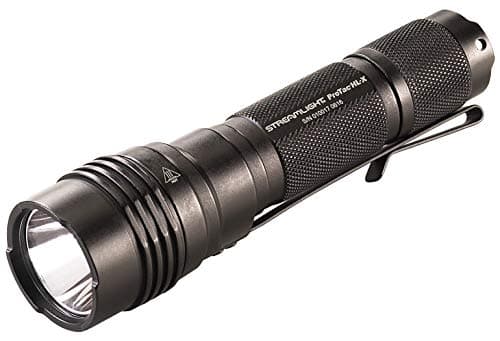 Streamlight ProTac HL-XTop pick1,300 lumens, 35,000 candela, 374 m, 1.5 hours, IP68, on either a rechargeable pack or two CR123A cells. Every figure published per mode. | Duty use, and the best-documented light on this site | 1,300 lm | |
| 2 | 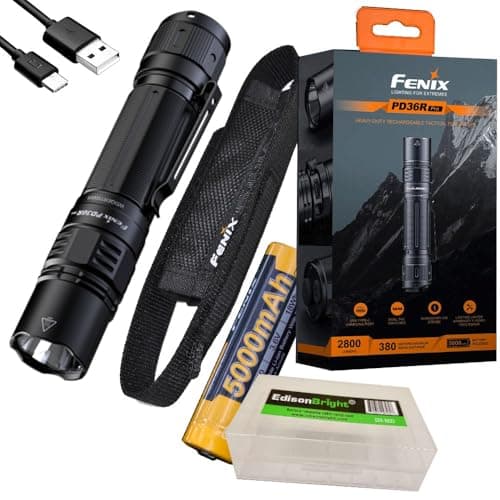 Fenix PD36R Pro2,800 lumens from a 21700 cell holding 18 watt-hours, at 169 grams. The biggest energy store in the tactical set. | The most output and energy in a tactical body | 2,800 lm | |
| 3 | 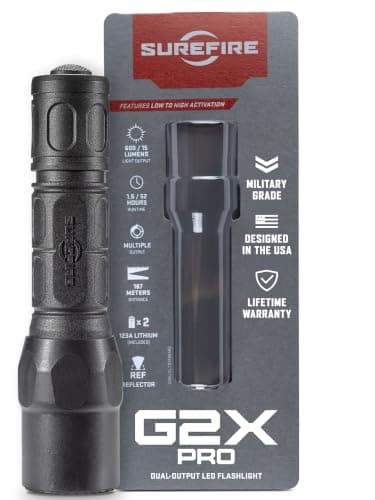 SureFire G2X Pro600 lumens, 8,700 candela, 1.5 hours, and two modes. The specification is modest; the point is that nothing on it can go wrong. | A simple two-mode light that will outlive you | 600 lm | |
| 4 | 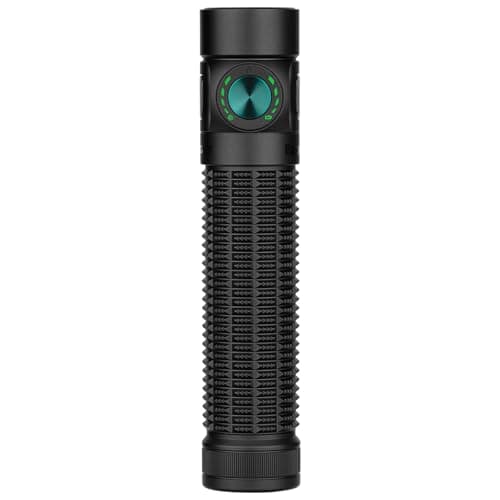 Olight Baton 4 Pro1,600 lumens from something the size of a lipstick tube. The output is real and the runtime at that output is not the point. | The most output in a pocket-sized body | 1,600 lm |
We earn a commission if you buy through the links on this page, at no extra cost to you. It does not change what we recommend or the order they appear in. Full disclosure. Prices checked October 16, 2026.
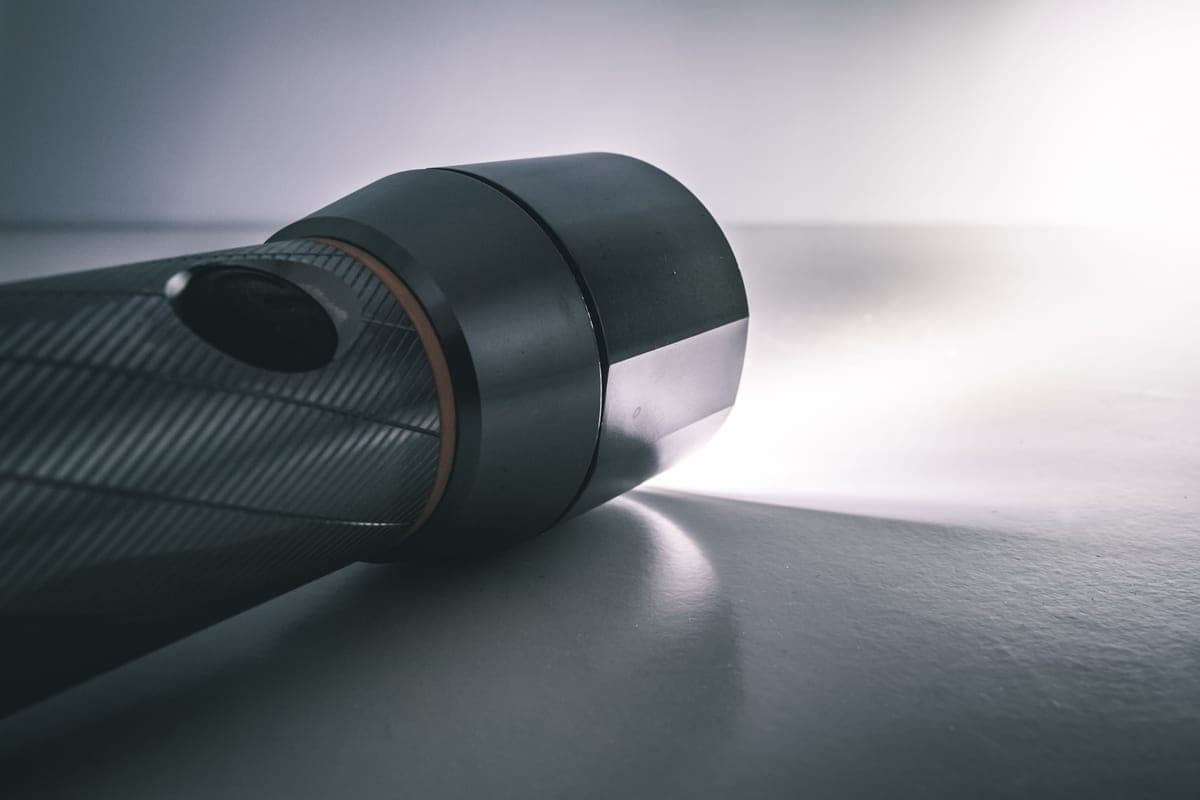
Brand-versus-brand arguments in flashlights usually run on reputation, anecdote and how long somebody has owned something. We cannot contribute to that: we have never handled any of these lights and we are not going to pretend otherwise.
What we can do is compare what each manufacturer publishes, and that turns out to be a genuinely discriminating test. Some of these companies publish a full ANSI FL 1 table per mode; others publish a lumen figure. That difference tells you something real.
Disclosure, brand by brand
| Brand | Candela | Beam distance | Per-mode runtime | Weight | IP rating |
|---|---|---|---|---|---|
| Streamlight | Yes | Yes | Yes | Yes | Yes |
| Petzl | No | Yes | Yes | Yes | Yes |
| Fenix | No | Sometimes | Maximum only | Yes | Sometimes |
| SureFire | Yes | No | High only | No | No |
| Princeton Tec | No | No | Yes | No | Yes |
| Nitecore | No | Sometimes | No | No | No |
| Olight | No | Sometimes | No | No | No |
| Acebeam | No | Yes | No | No | Sometimes |
| Maglite | Yes | Yes | Yes | Yes | Yes |
| Coast | No | No | No | No | No |
That table is the single most useful thing on this page. It is not a quality ranking — a brand can build an excellent light and publish little about it — but it does tell you which manufacturers you can hold to account.
The comparisons
- [Olight vs Fenix](/compare/olight-vs-fenix) — two of the biggest names in enthusiast lights, and a real difference in what they tell you.
- [Olight vs Streamlight](/compare/olight-vs-streamlight) — consumer polish against duty-grade documentation.
- [Olight vs SureFire](/compare/olight-vs-surefire) — specification against simplicity, at very different prices.
- [Nitecore vs Fenix](/compare/nitecore-vs-fenix) — the closest matchup here, and the one where disclosure decides it.
- [Nitecore vs Olight](/compare/nitecore-vs-olight) — output per dollar against ecosystem and charging.
- [Streamlight vs SureFire](/compare/streamlight-vs-surefire) — the two American duty brands, on opposite philosophies.
- [Streamlight vs Maglite](/compare/streamlight-vs-maglite) — the one comparison here where both makers publish figures that check out, and they disagree about beam shape.
- [Streamlight vs Fenix](/compare/streamlight-vs-fenix) — Fenix publishes the bigger output on every matched pair; Streamlight publishes the runtime that tells you how long you keep it.
- [Nitecore vs Streamlight](/compare/nitecore-vs-streamlight) — a 40-fold spread in beam concentration inside one brand, measured against the most complete spec sheets we cover.
- [Nitecore vs Black Diamond](/compare/nitecore-vs-black-diamond) — headlamps, and the least documented matchup on this site. What you can still decide, and what you cannot.
- [Petzl vs Black Diamond](/compare/petzl-vs-black-diamond) — the two names most buyers choose between, and the one that publishes a complete spec sheet.
- [Petzl vs Fenix](/compare/petzl-vs-fenix) — the only two headlamp brands that publish enough to be checked, decided on weight against waterproofing.
- [Fenix vs Black Diamond](/compare/fenix-vs-black-diamond) — a complete spec sheet against a single lumen figure, in the same price bracket.
- [Klein vs Streamlight](/compare/klein-vs-streamlight) — two brands that sell to the trades, and only one of them publishes what its lights do.
How to read a brand comparison honestly
- Compare specific lights, not brands. Every maker here builds good and less good products. Fenix's PD36R Pro and Fenix's budget lights are not the same proposition.
- Check disclosure before performance. A published figure you can verify beats an unpublished one you cannot, whatever the marketing says.
- Look for internal consistency. If a maker publishes candela and beam distance and they reconcile through the 0.25 lux definition, the figures are almost certainly measured.
- Distinguish ecosystem from light. Olight's magnetic charging is genuinely good and it locks you to their cables. That is a real trade rather than a specification.
- Ignore heritage. How long a company has existed tells you nothing about the light in front of you.
Where these comparisons lead
Every comparison page links back to the roundup for the category the light belongs in, because a brand argument is usually the wrong question. The better one is which light for which job — EDC flashlights, tactical flashlights and headlamps all answer it directly.
The picks, in full
Top pick · Duty use, and the best-documented light on this site
Streamlight ProTac HL-X
1,300 lumens, 35,000 candela, 374 m, 1.5 hours, IP68, on either a rechargeable pack or two CR123A cells. Every figure published per mode.
35,000 candela and 374 m reconcile exactly: the square root of 35,000 divided by 0.25 is 374.2 m. Streamlight's numbers are internally consistent across all three modes, which is the strongest signal of a maker publishing real measurements rather than marketing figures.
1.5 hours at 1,300 lumens implies roughly 6 to 7 watt-hours of usable energy — consistent with a single 18650-class pack and with the CR123A alternative.
IP68 with 2 m impact resistance is the toughest rating in this roundup, and the reason this light shows up on so many duty belts.
What works
- Full ANSI FL1 table published per mode, and it reconciles
- Runs on a rechargeable pack or on shelf-stable CR123A lithium cells
- IP68 and 2 m impact rating
What does not
- The programming interface takes reading the manual to understand
- 162 to 176 g is heavy for pocket carry
- CR123A cells are expensive if you use it hard
Skip this ifyou want a pocket light. It is a duty-belt tool and the weight and length are built for a holster.
Published specification
- Output
- 1,300 lmHigh. Medium 420 lm, low 70 lm.Streamlight ProTac HL-X — manufacturer spec page (retrieved September 1, 2026)
- Peak intensity
- 35,000 cdHigh. 11,000 cd medium, 1,800 cd low.Streamlight ProTac HL-X — manufacturer spec page (retrieved September 1, 2026)
- Beam distance
- 374 mHigh. 210 m medium, 85 m low.Streamlight ProTac HL-X — manufacturer spec page (retrieved September 1, 2026)
- Runtime
- 1.5 h high / 3.75 h medium / 25 h lowOn the SL-B26 pack. On CR123A: 1.25 h / 3 h / 20 h.Streamlight ProTac HL-X — manufacturer spec page (retrieved September 1, 2026)
- Battery
- SL-B26 rechargeable Li-ion pack, or 2 x CR123A lithiumStreamlight ProTac HL-X — manufacturer spec page (retrieved September 1, 2026)
- Weight
- 162 g with CR123A, 176 g with the packStreamlight ProTac HL-X — manufacturer spec page (retrieved September 1, 2026)
- Ingress
- IP68Dust tight, waterproof to 2 m; 2 m impact resistance testedStreamlight ProTac HL-X — manufacturer spec page (retrieved September 1, 2026)
#ad · how this is funded · price as of October 16, 2026
Pick 2 · The most output and energy in a tactical body
Fenix PD36R Pro
2,800 lumens from a 21700 cell holding 18 watt-hours, at 169 grams. The biggest energy store in the tactical set.
A 5,000 mAh 21700 at 3.6 V is 18.0 watt-hours — nearly three times what the ProTac HL-X carries. That is the case for the 21700 format in one number.
380 m of reach on 2,800 lumens works back to about 36,100 candela, almost identical to the ProTac's 35,000 from 1,300 lumens. The Fenix is spending its extra output on spill, not on distance.
169 g including the cell is only 7 g more than a ProTac on CR123A, for nearly triple the energy. That is what four years of cell development buys.
What works
- 18 Wh of stored energy, the most in the tactical set
- 2,800 lumens with 380 m of published reach
- Standard 21700 cell, USB-C on the light
What does not
- Waterproofing stated as 2 m submersion, with no IP code to compare against
- No published candela, so the throw figure cannot be cross-checked
- 2,800 lumens will step down quickly in a body this size
Skip this ifyou need a shelf-stable light. A rechargeable cell self-discharges; for a drawer light, CR123A primaries are the right answer.
Published specification
- Peak intensity
- not published
- Beam distance
- 380 mFenix states 1,247 feet (380 m)Fenix PD36R Pro — manufacturer spec page (retrieved September 17, 2026)
- Runtime
- 3 h 30 min on Turbo / 42 h maximumTurbo is measured to 10% output under ANSI FL 1, so it includes step-down; 42 h is the lowest mode. Other modes are published as a chart imageFenix PD36R Pro — manufacturer spec page (retrieved September 1, 2026)
- Battery
- 5,000 mAh 21700 Li-ion (included), USB-CFenix PD36R Pro — manufacturer spec page (retrieved September 1, 2026)
- Weight
- 169 g (5.96 oz)Including batteryFenix PD36R Pro — manufacturer spec page (retrieved September 1, 2026)
- Ingress
- Waterproof underwater to 2 mFenix states this without giving an IP codeFenix PD36R Pro — manufacturer spec page (retrieved September 17, 2026)
#ad · how this is funded · price as of October 16, 2026
Pick 3 · A simple two-mode light that will outlive you
SureFire G2X Pro
600 lumens, 8,700 candela, 1.5 hours, and two modes. The specification is modest; the point is that nothing on it can go wrong.
SureFire publishes both 8,700 candela and a 187 m beam distance, and the two reconcile: the square root of 8,700 divided by 0.25 is 186.5 m. That makes this the only light on this site outside Streamlight and Maglite whose two beam figures can be checked against each other. It is still well short of the ProTac's 374 m on similar output, because SureFire deliberately builds a wider beam with more usable spill.
Two modes, low then high, with no strobe and no programming. On a light you might need in a hurry, that is a feature.
CR123A primaries hold their charge for a decade on a shelf. For a light that lives in a drawer against the worst night of your life, that matters more than rechargeability.
What works
- Two modes, no menu, nothing to misconfigure
- CR123A lithium cells with a ten-year shelf life
- The most durable reputation in the category, earned over decades
What does not
- 600 lumens and 8,700 candela are modest for the price in 2026
- IPX7 is immersion-only - no dust digit - and SureFire states no impact rating
- CR123A cells cost real money to run
Skip this ifyou buy on specification. Almost everything here beats it on paper; you are paying for reliability and simplicity instead.
Published specification
- Output
- 600 lmHigh. Low is 15 lm.SureFire G2X Pro — manufacturer spec page (retrieved October 6, 2026)
- Peak intensity
- 8,700 cdSureFire G2X Pro — manufacturer spec page (retrieved October 6, 2026)
- Beam distance
- 187 mPublished, and it reconciles with the 8,700 cd figure.SureFire G2X Pro — manufacturer spec page (retrieved October 6, 2026)
- Runtime
- 1.5 h on highLow is 52 h.SureFire G2X Pro — manufacturer spec page (retrieved October 6, 2026)
- Battery
- 2 x CR123A lithiumSureFire G2X Pro — manufacturer spec page (retrieved October 6, 2026)
- Weight
- 125 g4.4 oz, cells installed.SureFire G2X Pro — manufacturer spec page (retrieved October 6, 2026)
- Ingress
- IPX7No dust digit; no impact rating stated.SureFire G2X Pro — manufacturer spec page (retrieved October 6, 2026)
#ad · how this is funded · price as of October 16, 2026
Pick 4 · The most output in a pocket-sized body
Olight Baton 4 Pro
1,600 lumens from something the size of a lipstick tube. The output is real and the runtime at that output is not the point.
1,600 lumens in a body this small is a thermal problem, not an optical one. Every light in this class steps down within a minute or two, and the honest way to read the number is as a burst.
Olight's magnetic charging is the best-executed version of the idea: no port to flood, no cable to thread, and the light sits on a dock.
We could only reach the brand's retail listing, so output and charging are the only figures we assert.
What works
- The highest published output in the pocket class
- Magnetic charging with no exposed port
- Genuinely small
What does not
- No sourced runtime, candela, beam distance or IP rating
- Proprietary charger to lose
- 1,600 lumens is a burst figure in a body this size
Skip this ifyou want to know how long it holds high. Without a published step-down table, the headline is unverifiable.
Published specification
- Output
- 1,600 lmOlight Baton 4 Pro — the brand's own listing on Amazon.com (retrieved September 1, 2026)
- Peak intensity
- not published
- Beam distance
- not published
- Runtime
- not published
- Battery
- Rechargeable, magnetic chargingOlight Baton 4 Pro — the brand's own listing on Amazon.com (retrieved September 1, 2026)
- Weight
- not published
- Ingress
- not published
#ad · how this is funded · price as of October 16, 2026
Questions people actually ask
Which flashlight brand is best?
Not a question we can answer honestly, because we have not handled these lights. What we can say is which brands publish enough for a buyer to verify their claims, and on the products we cover Streamlight publishes the most complete tables by a clear margin.
Is Fenix better than Olight?
They are close on build and output. Fenix publishes more — weights, maximum runtimes and battery capacities — while Olight's magnetic charging ecosystem is genuinely better executed. Which matters more depends on whether you want to check specifications or to charge conveniently.
Why do you compare disclosure rather than performance?
Because we have not tested these lights and will not pretend to have. Disclosure is something we can assess directly and it is a genuinely useful proxy: a maker who publishes candela, per-mode runtime and an impact rating has measured the light.
Does a longer-established brand build better flashlights?
There is no evidence for it in the specifications. SureFire has decades of history and publishes less than Streamlight; Wurkkos is a newer budget brand and publishes a CRI figure that most premium makers omit.
Should I stick to one brand for the charging ecosystem?
It is a real convenience, especially with Olight's magnetic system. The cost is that a proprietary cable becomes a single point of failure on a trip, and that you are locked out of better lights from other makers.
Sources
Every figure on this page came from one of the documents below, read on the date shown. We do not cite other review sites, forum posts or video reviews as sources of fact.
- Streamlight ProTac HL-X — manufacturer spec page (retrieved September 1, 2026)
- SureFire G2X Pro — manufacturer spec page (retrieved October 6, 2026)
- Fenix PD36R Pro — manufacturer spec page (retrieved September 1, 2026)
- Petzl — ANSI/PLATO FL 1 technical information for its headlamp range
- ANSI/PLATO FL 1 flashlight performance standard — definitions of lumens, peak beam intensity, beam distance, runtime, impact and water resistance
Read next
Petzl vs Fenix headlamps
Petzl against Fenix on published battery energy, beam distance, weight and ingress rating — four matched pairs where both makers actually show their work.
Fenix vs Black Diamond headlamps
Fenix against Black Diamond on published energy, reach and waterproofing, with three matched pairs and the disclosure gap named.

Klein vs Streamlight work lights
Klein against Streamlight on work-light beam shape, mounting and published figures - including the only ingress rating either brand states.
Petzl vs Black Diamond
Petzl against Black Diamond on published beam distance, runtime, battery energy and weight, with three matched pairs at the prices people actually shop.
Nitecore vs Black Diamond headlamps
Nitecore against Black Diamond on published headlamp output and features — the least documented matchup on this site, and what you can still decide from it.
Nitecore vs Streamlight
Nitecore against Streamlight: a 40-fold spread in beam concentration inside one brand, measured against the most complete spec sheets we cover.
Streamlight vs Fenix
Streamlight against Fenix on published candela, reach and runtime — one brand wins the headline, the other wins the spec sheet.
Olight vs Fenix
Olight against Fenix on disclosure, charging and cell strategy across the lights we cover.
Streamlight vs SureFire
The two American duty brands compared on documentation, power strategy and interface philosophy.
Nitecore vs Fenix
Nitecore against Fenix: output per dollar against specification completeness, across headlamps and handhelds.

Best EDC flashlights, ranked on what they actually hold
The full EDC ranking: cell format, stored energy, color rendering and beam shape, every figure sourced.
Best tactical flashlights, ranked on candela rather than lumens
The tactical ranking: published candela, beam distance, sustained runtime and ingress rating, all sourced.
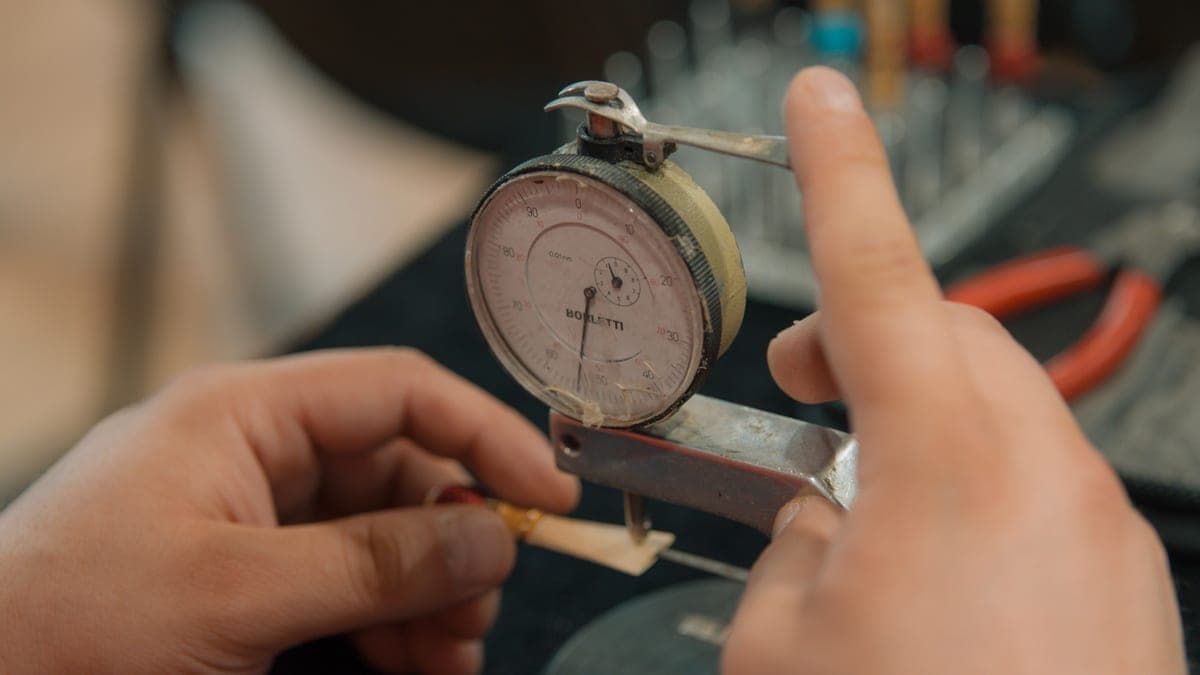
The ANSI FL 1 standard, explained
What the ANSI/PLATO FL 1 standard specifies, measurement by measurement, and the self-reporting problem at its center.
Found a number that is wrong? Tell us and we will fix it and say so. Our methodology shows every formula on this page.