Work Lights
Streamlight Strion Switchblade review
The only work light we cover whose maker publishes a color rendering index. We had this page saying that number did not exist, which was wrong, and the real figure changes the recommendation.
By Scooter M. · Published · Updated
| # | Product | Best for | Output | Price |
|---|---|---|---|---|
| 1 | 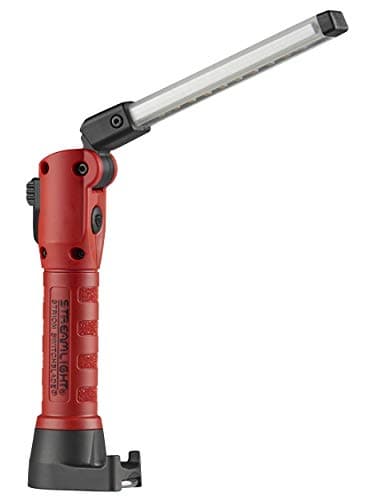 Streamlight Strion SwitchbladeTop pick500 lumens cool white, or 400 at a published 90 CRI, in a folding bar. The color accuracy is the specification that matters on a wiring loom, and it is the only one here with a number behind it. | Color-critical work under the hood | 500 lm |
We earn a commission if you buy through the links on this page, at no extra cost to you. It does not change what we recommend or the order they appear in. Full disclosure. Prices checked October 10, 2026.

We have not tested this work light. We own none of the products on this site, we have no laboratory, and nothing here is an impression of how it feels in a hand. This review takes every figure Streamlight publishes, runs the arithmetic those figures allow, and says what they do and do not commit the company to.
It also corrects us, on the one specification this light exists for. Until this review, this site said in five places that Streamlight markets Color-Rite color accuracy on the Strion Switchblade *without stating a number* — and our work-light pages recommended it on the strength of a named claim rather than a figure. Re-reading Streamlight's own product page on October 10, 2026 showed that is wrong. Streamlight publishes 90 CRI at 4,000 K. The number exists, it is on the maker's own page, and every page that said otherwise has been corrected in the same change as this one.
That makes this the only work light we cover whose maker publishes a color rendering index at all — in a category sold to trades whose work is color coded, and where every other maker on our hub publishes a lumen figure and nothing about color.
The published specification
| Specification | Published figure |
|---|---|
| Output, cool white | 500 lm |
| Output, Color-Rite mode | 400 lm |
| Color rendering | 90 CRI at 4,000 K |
| Third mode | UV (ultraviolet) |
| Run time | 3 h on high |
| Battery | Lithium-ion, 4 h recharge, USB or an existing Strion charger |
| Weight | 181 g (6.40 oz) |
| Length | 15.2 cm (6.00 in) folded, 27.3 cm (10.75 in) extended |
| Impact resistance | 2 m |
| Body | Nylon polymer, machined aluminum light bar, chemical-resistant lens |
| Peak beam intensity | Not published |
| Beam distance | Not published |
| Ingress protection | Not published |
Ten figures and three gaps. For a work light that is an unusually complete sheet: the category norm on our own hub is a lumen number and silence. It is still short of what Streamlight publishes for its handheld duty lights, where candela, beam distance and a runtime for every mode are standard.
The 90 CRI figure, and the 100 lumens it costs
Here is the part that matters, and the part a headline lumen number hides: the 90 CRI applies to the 400-lumen Color-Rite mode, not to the 500-lumen cool-white one. Color accuracy is a mode you select, not a property of the whole light.
Twenty percent is a good price for it. Under a cool-white work light a brown wire and a red wire can look the same, and on a loom that is not a cosmetic problem — it is the difference between the right terminal and an hour of diagnosis. What CRI actually measures covers why the effect is so much larger than the number suggests.
The 4,000 K color temperature is the other half of the choice and it is deliberate. 4,000 K is neutral white, between the blue-ish 6,000 K most work lights ship and the warm 3,000 K that flatters skin and muddies blues. For judging a color against a chart or a wiring diagram, neutral is the correct place to sit.
The third mode almost nobody mentions
Streamlight publishes three output modes, and the third is ultraviolet. On a trade light that is not a novelty: UV is how you find a leak that has been dye-traced, which is standard practice on air-conditioning and automotive refrigerant and oil circuits.
So the honest description of this product is not "a 500-lumen bar". It is a bar that does general flood, color-accurate inspection and dye tracing from one body and one battery — and the reason to carry it is that the second and third of those are jobs its competitors cannot do at all. Streamlight does not publish the UV wavelength, which is the figure that would tell you which dyes it excites, and that is a real omission.
The runtime figure, now that we know there is one
3 hours on high, published. This site previously recorded the Strion Switchblade as having no sourced runtime at all, which was wrong for the same reason the CRI entry was wrong: the figure was on the maker's page the whole time.
Three hours is a shift-shaped number rather than a marketing one — it describes the 500-lumen mode, not the dimmest setting, which is the opposite of the usual practice in this category. What Streamlight does not publish is a runtime for the Color-Rite or UV modes, so if you intend to work in the 400-lumen color mode all afternoon, the hours you will get are unknown. Nor does it publish the cell capacity, so the watt-hour arithmetic this site normally runs cannot be applied. How runtime is defined covers the computation where the inputs exist.
The shape is the other half of the argument
It folds: 15.2 cm closed, 27.3 cm open. The bar is machined aluminum, the body is nylon polymer, and the lens is stated to resist most common automotive chemicals — which is the kind of specification that only appears when a maker knows the thing will be set down in a drip tray.
A bar puts a wide even wash along a panel instead of a hotspot in the middle of it, and that is why there is no beam distance figure here and why its absence does not matter. A work light that throws 200 meters is a work light pointed at the wrong problem. At 181 g it is heavier than a pocket light and lighter than anything with a stand. It charges over USB or drops into an existing Strion cradle, which matters if a shop already runs Streamlight.
What Streamlight still does not publish
Three gaps, and one of them is the one we would most like closed. There is no ingress rating — no IP or IPX code of any kind — on a light explicitly sold for engine bays and panels. A chemical-resistant lens is a different claim from a sealed body, and we are not going to treat it as one.
There is also no peak beam intensity and no beam distance, so the two figures this site normally checks against each other cannot be checked here at all. On a flood bar that is defensible; it is still a gap, and Streamlight publishes both for every handheld we cover. And there is no runtime for two of the three modes.
Who should buy something else
Skip it if you need to light a whole bay. 500 lumens is a panel-and-engine-bay figure, not an area-lighting one. The Klein and Astro area lights on work lights publish far more output, though none of them publishes a CRI figure.
Skip it if you need a published weather rating. No IP code is stated. If the light will live outdoors, the Streamlight Siege publishes IPX7, and work lights for construction sets out how little of this category states anything at all.
Skip it if color is irrelevant to your work. You are paying for a 90 CRI emitter and a UV emitter that a framer or a groundworker will never select. Work lights for electricians and for mechanics are where this light earns its place.
Skip it if you want the color accuracy cheaper. The Wurkkos FC11C publishes a CRI of 90 for a fraction of the money, in a pocket light rather than a bar — see high-CRI EDC flashlights. It is the wrong shape for a panel and the right shape for a pocket.
The verdict, stated as what it commits to
On published evidence this is the work light to buy when the job is looking closely at something colored. Streamlight publishes 90 CRI at 4,000 K, states what that mode costs in output, gives a runtime for the mode people actually use, and adds a UV emitter for dye tracing. Four checkable facts, in a category that mostly publishes one number and a photograph.
It is not bright enough to light a bay, it has no stated ingress rating, and two of its three modes have no published runtime. Every one of those is visible in the numbers before you spend anything. For the color-critical case in full see why color accuracy matters on a jobsite; for how the two trade brands compare across formats, Klein vs Streamlight.
The picks, in full
Top pick · Color-critical work under the hood
Streamlight Strion Switchblade
500 lumens cool white, or 400 at a published 90 CRI, in a folding bar. The color accuracy is the specification that matters on a wiring loom, and it is the only one here with a number behind it.
Color accuracy is the whole reason this exists. Under a cool-white work light, a brown wire and a red wire look the same, and that is not a cosmetic problem.
Streamlight calls it Color-Rite and does publish the number: 90 CRI at 4,000 K. That makes this the only work light we cover whose maker states a color rendering index, and the figure applies to the 400 lm mode rather than the 500 lm one - so color accuracy costs 20 percent of the output, which is a good price for it.
The folding bar shape puts a wide, even flood along a panel rather than a hotspot in the middle of it.
What works
- A published 90 CRI at 4,000 K - the only work light here with a color figure
- Bar shape floods a panel evenly, and a UV mode for dye-traced leaks
- Streamlight's trade distribution makes service easy
What does not
- No ingress rating of any kind, on a light sold for engine bays
- No candela or beam distance, and no runtime for the Color-Rite or UV modes
- 500 lumens is modest if you need to light a whole bay
Skip this ifyou need area lighting. It is a close-range color-accurate tool, not a floodlight.
Published specification
- Output
- 500 lmCool white. The Color-Rite mode is 400 lm; a third mode is UV.Streamlight Strion Switchblade — manufacturer spec page (retrieved October 10, 2026)
- Peak intensity
- not published
- Beam distance
- not published(A flood bar; Streamlight publishes neither beam figure)
- Runtime
- 3 h on highNo runtime published for the Color-Rite or UV modes.Streamlight Strion Switchblade — manufacturer spec page (retrieved October 10, 2026)
- Battery
- Li-ion, 4 h rechargeUSB or an existing Strion charger. Capacity not published.Streamlight Strion Switchblade — manufacturer spec page (retrieved October 10, 2026)
- Weight
- 181 g6.40 oz.Streamlight Strion Switchblade — manufacturer spec page (retrieved October 10, 2026)
- Ingress
- not published(No IP or IPX code stated; a 2 m impact rating is)
- CRI
- 90 CRIAt 4,000 K, in the 400 lm Color-Rite mode - not the 500 lm cool-white one.Streamlight Strion Switchblade — manufacturer spec page (retrieved October 10, 2026)
#ad · how this is funded · price as of October 10, 2026
Questions people actually ask
What is the CRI of the Streamlight Strion Switchblade?
Streamlight publishes 90 CRI at 4,000 K for its Color-Rite mode. The important detail is that the Color-Rite mode runs at 400 lumens rather than the headline 500, so color accuracy costs 20 percent of the output. It is the only work light we cover whose maker publishes a color rendering index at all.
Is the Strion Switchblade worth it?
If your work involves judging colors — wiring looms, paint, diagnostic charts — yes, because it is the only light on our work-light hub with a published CRI figure, and it adds UV for dye tracing. If you need area lighting or a published weather rating, no: 500 lumens will not light a bay and Streamlight states no IP rating for it.
How long does the Strion Switchblade run?
Streamlight publishes 3 hours on high, and that figure describes the 500-lumen mode rather than the dimmest setting, which is better practice than most of this category. No runtime is published for the 400-lumen Color-Rite mode or the UV mode, and the cell capacity is not published either, so the hours cannot be checked against stored energy.
Does the Strion Switchblade have a UV light?
Yes — ultraviolet is the third of its three published modes, intended for finding dye-traced leaks on refrigerant, oil and coolant circuits. Streamlight does not publish the UV wavelength, which is the figure that would tell you which dyes it excites.
Is the Strion Switchblade waterproof?
Streamlight publishes no IP or IPX rating for it, so we will not call it weatherproof. It does state a 2 m impact rating and a lens that resists most common automotive chemicals, but a chemical-resistant lens is a different claim from a sealed body. For a published immersion rating in this range the Streamlight Siege states IPX7.
How much does it weigh and how big is it?
181 g (6.40 oz), folding from 15.2 cm (6.00 in) closed to 27.3 cm (10.75 in) extended. The bar is machined aluminum on a nylon polymer body. It charges over USB or in an existing Strion cradle.
Strion Switchblade or Stinger Switchblade?
The Stinger Switchblade publishes 800 lumens and no CRI figure; the Strion publishes 500 cool white, a 400-lumen 90 CRI Color-Rite mode and UV. Buy the Stinger for more light on a panel, the Strion if any part of the job is distinguishing one color from another. Neither publishes an ingress rating.
Sources
Every figure on this page came from one of the documents below, read on the date shown. We do not cite other review sites, forum posts or video reviews as sources of fact.
- Streamlight Strion Switchblade — manufacturer spec page (retrieved October 10, 2026)
- Streamlight Stinger Switchblade — manufacturer spec page (retrieved September 1, 2026)
- ANSI/PLATO FL 1 flashlight performance standard — definitions of lumens, peak beam intensity, beam distance, runtime, impact and water resistance
- IEC 60529 — the IP (ingress protection) rating system
Read next

Best work lights, ranked on beam shape rather than brightness
The work-light ranking: beam shape, color rendering, mounting and runtime, with every published figure sourced.
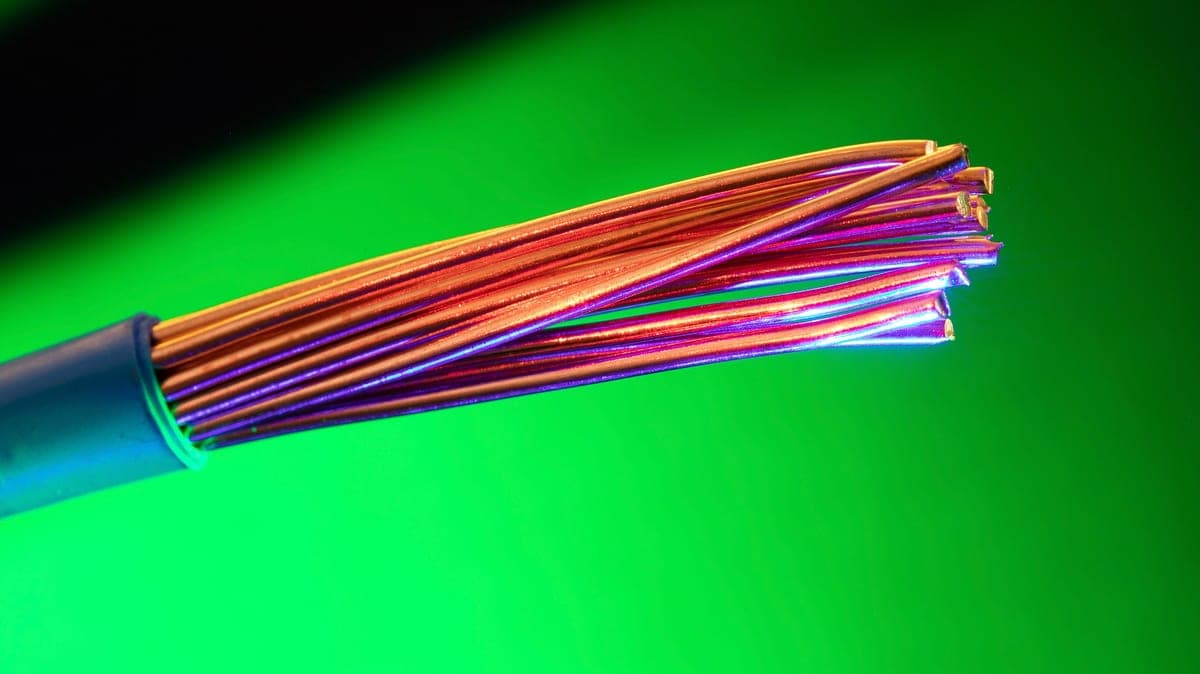
Why color accuracy matters on a jobsite
What color rendering does to trade work, and how to choose when almost no maker publishes a CRI figure.
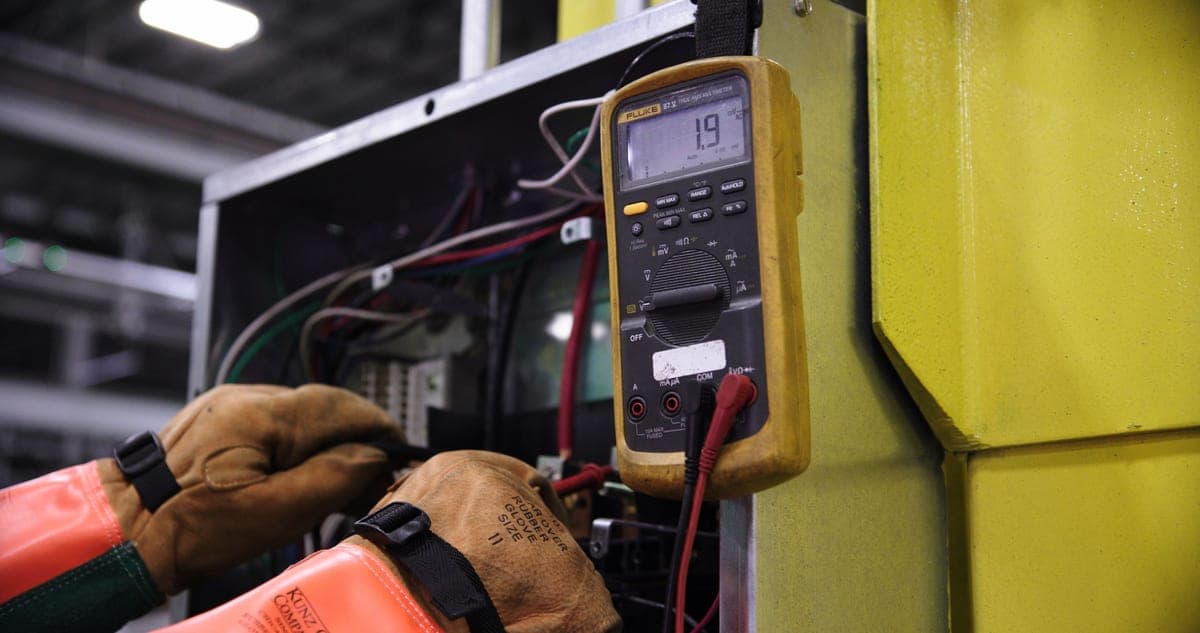
Best work lights for electricians
Electrical work lights ranked on color rendering and glare control rather than raw output.
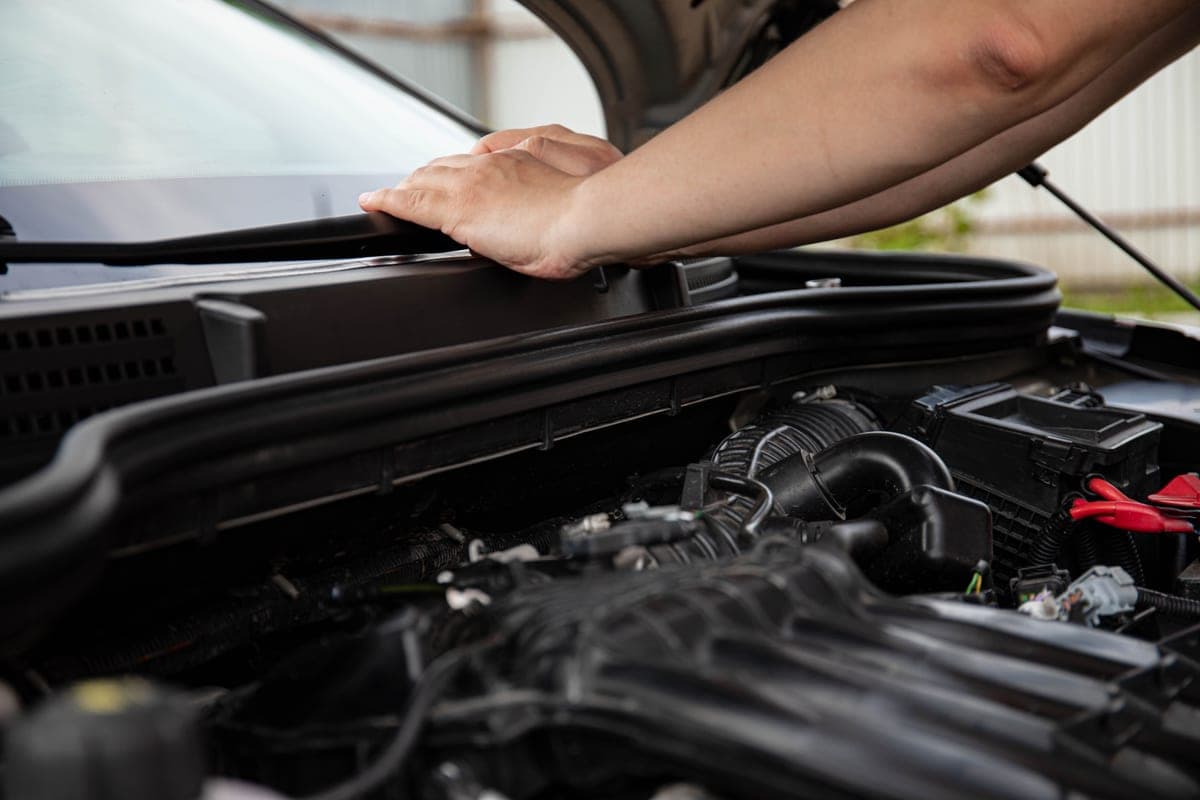
Best work lights for mechanics
Automotive work lights ranked on access, color rendering and mounting rather than output.
DeWalt DCL043 review
A specification-first review of the DeWalt DCL043 jobsite spotlight: what 508 yards works out to, what the platform battery actually costs, and the figures DeWalt does not publish.
Klein vs Streamlight work lights
Klein against Streamlight on work-light beam shape, mounting and published figures - including the only ingress rating either brand states.
Best high-CRI flashlights
High-CRI picks, the output they give up for the phosphor, and why the trade is usually worth making.
CRI explained
What CRI measures, the R9 problem, the output cost, and how CRI differs from color temperature.
Flashlight runtime, computed
How runtime is defined, why thermal step-down happens, and the arithmetic to compute a real figure yourself.
Found a number that is wrong? Tell us and we will fix it and say so. Our methodology shows every formula on this page.