Work Lights
Why color accuracy matters on a jobsite
Trade work is color coded. A light that renders color badly is not a minor inconvenience, it is a light that makes the job harder.
By Scooter M. · Published · Updated
| # | Product | Best for | Output | Price |
|---|---|---|---|---|
| 1 | 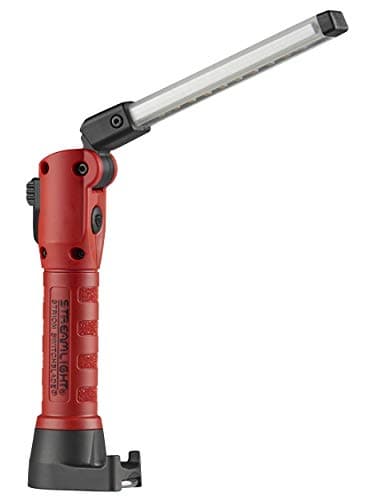 Streamlight Strion SwitchbladeTop pick500 lumens cool white, or 400 at a published 90 CRI, in a folding bar. The color accuracy is the specification that matters on a wiring loom, and it is the only one here with a number behind it. | Color-critical work under the hood | 500 lm | |
| 2 | 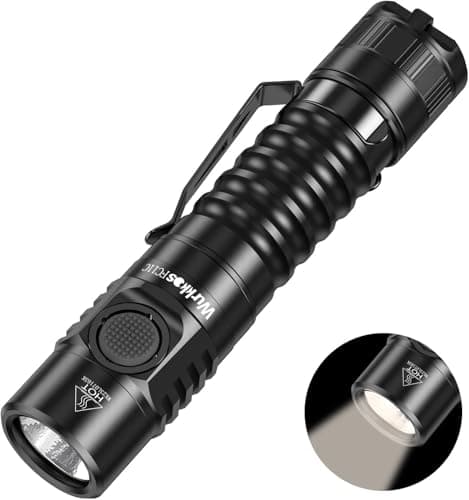 Wurkkos FC11C1,200 lumens at a stated CRI of 90 for a budget price. Color rendering is the spec that changes how a light feels, and this is the cheapest way to get it. | High color accuracy for the least money | 1,200 lm | |
| 3 | 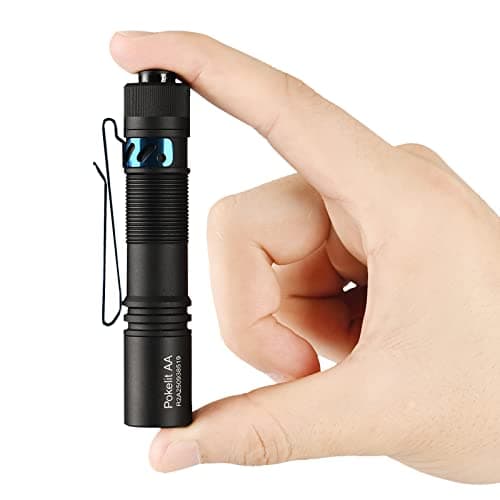 Acebeam Pokelit AA (high CRI)550 lumens at a stated 90-plus CRI, IP68, on a single AA. The combination of color accuracy and a standard cell is rare. | High CRI on a AA cell | 550 lm |
We earn a commission if you buy through the links on this page, at no extra cost to you. It does not change what we recommend or the order they appear in. Full disclosure. Prices checked October 15, 2026.
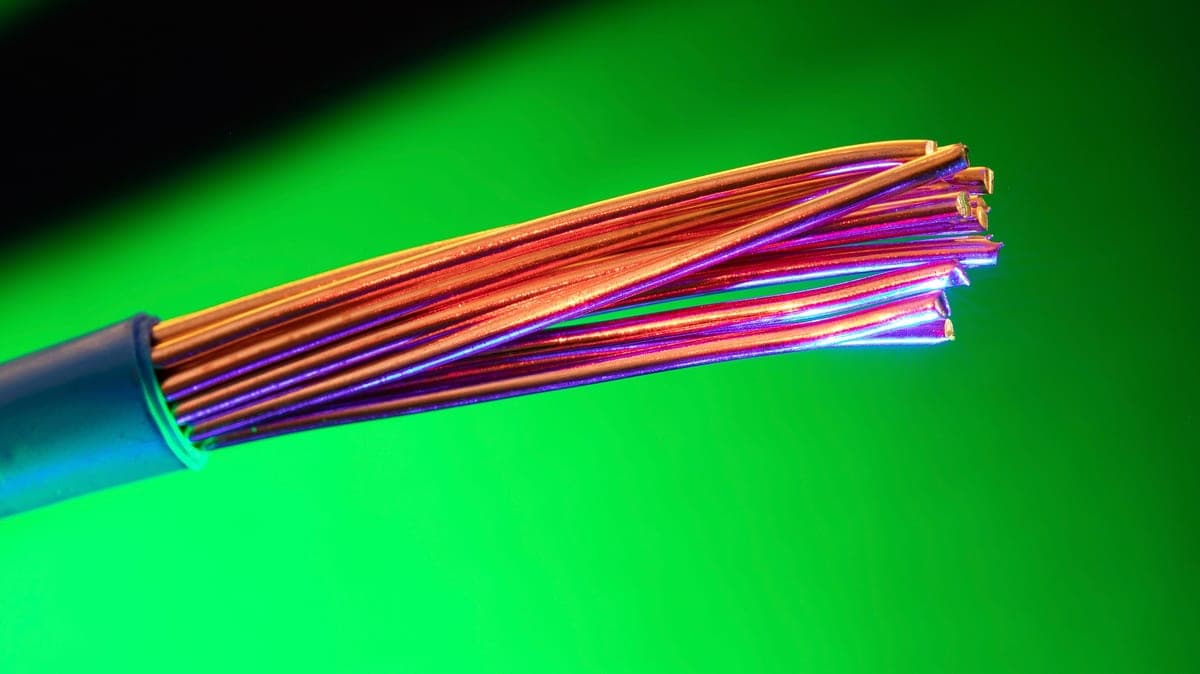
Almost every identification system in the trades is a color. Wire insulation. Fluids. Pipe markings. Torque-seal. Paint and primer coats. Corrosion against coating. All of it depends on the light being able to show you what color something actually is.
A typical cheap cool-white LED cannot. And unlike output, which everybody publishes, color rendering is a specification this whole category leaves out.
What is actually going wrong
A white LED is a blue LED with a phosphor coating that converts some of the blue into longer wavelengths. Cheap phosphor produces a strong blue peak, a broad green-yellow hump, and very little deep red.
Because there is almost no red in the light, red objects have almost no red to reflect. They come back brown or gray. That is not a perception effect; there is genuinely no red light hitting them.
What the number means
The color rendering index compares a source against a reference illuminant of the same correlated color temperature across a set of standard color samples. Ra, the number normally quoted, is the average of the first eight — all moderately saturated pastels.
| Ra | Description | Trade consequence |
|---|---|---|
| 70 | Typical cheap cool white | Red and brown wires hard to separate; fluids look alike |
| 80 | Common mid-range | Better, but saturated reds can still read wrong |
| 90 | High CRI | Wire colors reliably distinguishable |
| 95+ | Very high CRI | Finish and coating inspection; diminishing returns for most work |
The output cost
Color temperature is a different specification
People confuse CRI with color temperature constantly. Color temperature is how warm or cool the light looks; CRI is how accurately it reproduces colors. A 6500 K light can be high CRI and a 3000 K light can be low CRI.
- 6500 K — looks brightest, worst in dust and fog, harsh at close range.
- 5000 K — neutral. A reasonable default for trade work.
- 4000 K — slightly warm. The choice most people who use lights all day settle on.
- 3000 K — warm. Comfortable and best in dusty air, but shifts how pale colors read.
How to choose when nobody publishes a figure
- Prefer a maker who publishes a number, not a name. Streamlight's Color-Rite is both: the Strion Switchblade and the Stinger Switchblade each state 90 CRI at 4,000 K, and they are the only color rendering figures in this category we could source from a maker.
- Look at the flashlight side of the market. Handheld makers publish CRI far more often than work-light makers do. A high-CRI pocket light paired with an ordinary work light covers color-critical tasks.
- Prefer warmer color temperatures. Not because warm equals high CRI, but because emitters marketed at 4000 K and below are more often the better-phosphor parts.
- Test on something you know. Take the light to a coil of wire in the merchant. If brown and red look the same, put it back.
Where it matters most
- Electrical. Wire insulation is the identification system. See work lights for electricians.
- Automotive. Fluid identification and loom tracing. See work lights for mechanics.
- Painting and finishing. Judging a coat under low CRI light is guesswork.
- Inspection. Corrosion, cracking and coating failure all show up as color changes first.
- First aid. Skin tone and blood color carry information, and this is worth having a good light for wherever you work.
The picks, in full
Top pick · Color-critical work under the hood
Streamlight Strion Switchblade
500 lumens cool white, or 400 at a published 90 CRI, in a folding bar. The color accuracy is the specification that matters on a wiring loom, and it is the only one here with a number behind it.
Color accuracy is the whole reason this exists. Under a cool-white work light, a brown wire and a red wire look the same, and that is not a cosmetic problem.
Streamlight calls it Color-Rite and does publish the number: 90 CRI at 4,000 K. That makes this the only work light we cover whose maker states a color rendering index, and the figure applies to the 400 lm mode rather than the 500 lm one - so color accuracy costs 20 percent of the output, which is a good price for it.
The folding bar shape puts a wide, even flood along a panel rather than a hotspot in the middle of it.
What works
- A published 90 CRI at 4,000 K - the only work light here with a color figure
- Bar shape floods a panel evenly, and a UV mode for dye-traced leaks
- Streamlight's trade distribution makes service easy
What does not
- No ingress rating of any kind, on a light sold for engine bays
- No candela or beam distance, and no runtime for the Color-Rite or UV modes
- 500 lumens is modest if you need to light a whole bay
Skip this ifyou need area lighting. It is a close-range color-accurate tool, not a floodlight.
Published specification
- Output
- 500 lmCool white. The Color-Rite mode is 400 lm; a third mode is UV.Streamlight Strion Switchblade — manufacturer spec page (retrieved October 10, 2026)
- Peak intensity
- not published
- Beam distance
- not published(A flood bar; Streamlight publishes neither beam figure)
- Runtime
- 3 h on highNo runtime published for the Color-Rite or UV modes.Streamlight Strion Switchblade — manufacturer spec page (retrieved October 10, 2026)
- Battery
- Li-ion, 4 h rechargeUSB or an existing Strion charger. Capacity not published.Streamlight Strion Switchblade — manufacturer spec page (retrieved October 10, 2026)
- Weight
- 181 g6.40 oz.Streamlight Strion Switchblade — manufacturer spec page (retrieved October 10, 2026)
- Ingress
- not published(No IP or IPX code stated; a 2 m impact rating is)
- CRI
- 90 CRIAt 4,000 K, in the 400 lm Color-Rite mode - not the 500 lm cool-white one.Streamlight Strion Switchblade — manufacturer spec page (retrieved October 10, 2026)
#ad · how this is funded · price as of October 15, 2026
Pick 2 · High color accuracy for the least money
Wurkkos FC11C
1,200 lumens at a stated CRI of 90 for a budget price. Color rendering is the spec that changes how a light feels, and this is the cheapest way to get it.
CRI 90 versus the CRI 70 typical of a cheap cool-white emitter is the single most noticeable upgrade in a flashlight, and it is nothing to do with brightness. Reds stop looking brown. Wire insulation colors become distinguishable.
The cost of high CRI is output: the same emitter family loses roughly 10 to 20 percent of its lumens for the better phosphor. A 1,200-lumen high-CRI light is doing well.
18650 is the right cell format here — replaceable, standard, and enough energy to hold a useful level.
What works
- CRI 90 at a price where CRI is usually not mentioned at all
- Standard 18650, replaceable anywhere
- USB-C on the light itself
What does not
- No sourced runtime, candela, beam distance or IP rating
- High CRI costs output; treat the 1,200 figure as generous
- A budget brand with a thin published spec table
Skip this ifyou need maximum reach per dollar. High-CRI emitters throw less than the cool-white ones they replace.
Published specification
- Peak intensity
- not published
- Beam distance
- not published
- Runtime
- not published
- Battery
- 18650, USB-C rechargeableWurkkos FC11C — the brand's own listing on Amazon.com (retrieved September 1, 2026)
- Weight
- not published
- Ingress
- not published
- CRI
- 90Stated as '90 High CRI' on the listingWurkkos FC11C — the brand's own listing on Amazon.com (retrieved September 1, 2026)
$35.99 · 20% off
#ad · how this is funded · price as of October 15, 2026
Pick 3 · High CRI on a AA cell
Acebeam Pokelit AA (high CRI)
550 lumens at a stated 90-plus CRI, IP68, on a single AA. The combination of color accuracy and a standard cell is rare.
IP68 on a AA pocket light is the specification that justifies the price over a supermarket torch. Dust tight and immersion rated is a different class of object.
A single alkaline AA holds about 1.9 Wh. That is a long run at 50 lumens and a short one at 550; the 14500 lithium option roughly doubles the usable power at the cost of storage life.
CRI above 90 in a AA body is unusual. Most makers reserve the good phosphor for the 18650 lights.
What works
- 90-plus CRI with IP68 in a AA form factor
- Takes a AA or a 14500, so you choose storage life or output
- Clip and pocket profile are genuinely well designed
What does not
- No sourced runtime, candela or beam distance
- 550 lumens on an alkaline AA will not be sustained
- Costs meaningfully more than a comparable cool-white light
Skip this ifyou want maximum output for the money. You are paying for color accuracy and an ingress rating, not for lumens.
Published specification
- Output
- 550 lmAcebeam Pokelit AA — the brand's own listing on Amazon.com (retrieved September 1, 2026)
- Peak intensity
- not published
- Beam distance
- not published
- Runtime
- not published
- Battery
- 1 x AA (14500 compatible)Acebeam Pokelit AA — the brand's own listing on Amazon.com (retrieved September 1, 2026)
- Weight
- not published
$29.95 · 33% off
#ad · how this is funded · price as of October 15, 2026
Questions people actually ask
What CRI do I need for trade work?
Ra 90 or above where color identification matters, which is most electrical and automotive work. Ra 80 is a middle ground that can still render saturated reds poorly, because the Ra average excludes the R9 red sample.
Does high CRI mean warm light?
No, and the two are constantly confused. CRI is how accurately colors are reproduced; color temperature is how warm or cool the light looks. A 6500 K light can be high CRI and a 3000 K light can be low CRI.
Why do work light makers not publish CRI?
Because it is not a number that flatters most emitters and output is easier to market. It is a real gap in a category sold to trades whose work is color coded, and it is why we treat any named color claim as a positive signal.
How much brightness do I lose with a high-CRI light?
Roughly 10 to 20 percent for the same emitter family, because converting blue into long wavelengths is less efficient. At arm's length that trade is worth making, since you were not running the light at full output anyway.
What is R9 and why does it matter?
R9 is the saturated red reference sample, deliberately excluded from the commonly quoted Ra average. A light can score Ra 80 with poor R9 and still make red wire look brown, which is the exact failure that matters in electrical work.
How can I check a light's color rendering before buying?
Take it to something color-coded that you know — a coil of wire, a fluid bottle, a paint chart. If red and brown look the same under it, the light is not good enough for color-critical work whatever the listing says.
Sources
Every figure on this page came from one of the documents below, read on the date shown. We do not cite other review sites, forum posts or video reviews as sources of fact.
Read next

Streamlight Strion Switchblade review
A specification-first review of the Streamlight Strion Switchblade: the published 90 CRI figure, the 100 lumens it costs you, the UV mode nobody mentions, and what Streamlight still will not state.

Best work lights for painting
Lighting for painting, ranked on published color rendering and on the beam placement that actually reveals a missed spot.
Best work lights, ranked on beam shape rather than brightness
The work-light ranking: beam shape, color rendering, mounting and runtime, with every published figure sourced.
CRI explained
What CRI measures, the R9 problem, the output cost, and how CRI differs from color temperature.
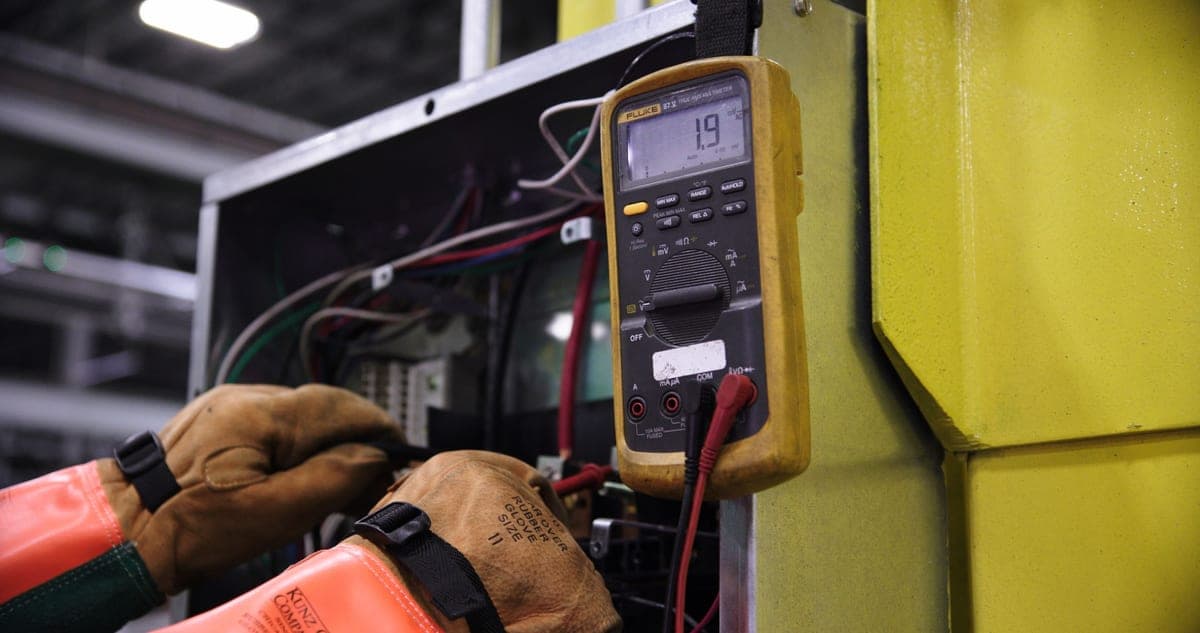
Best work lights for electricians
Electrical work lights ranked on color rendering and glare control rather than raw output.
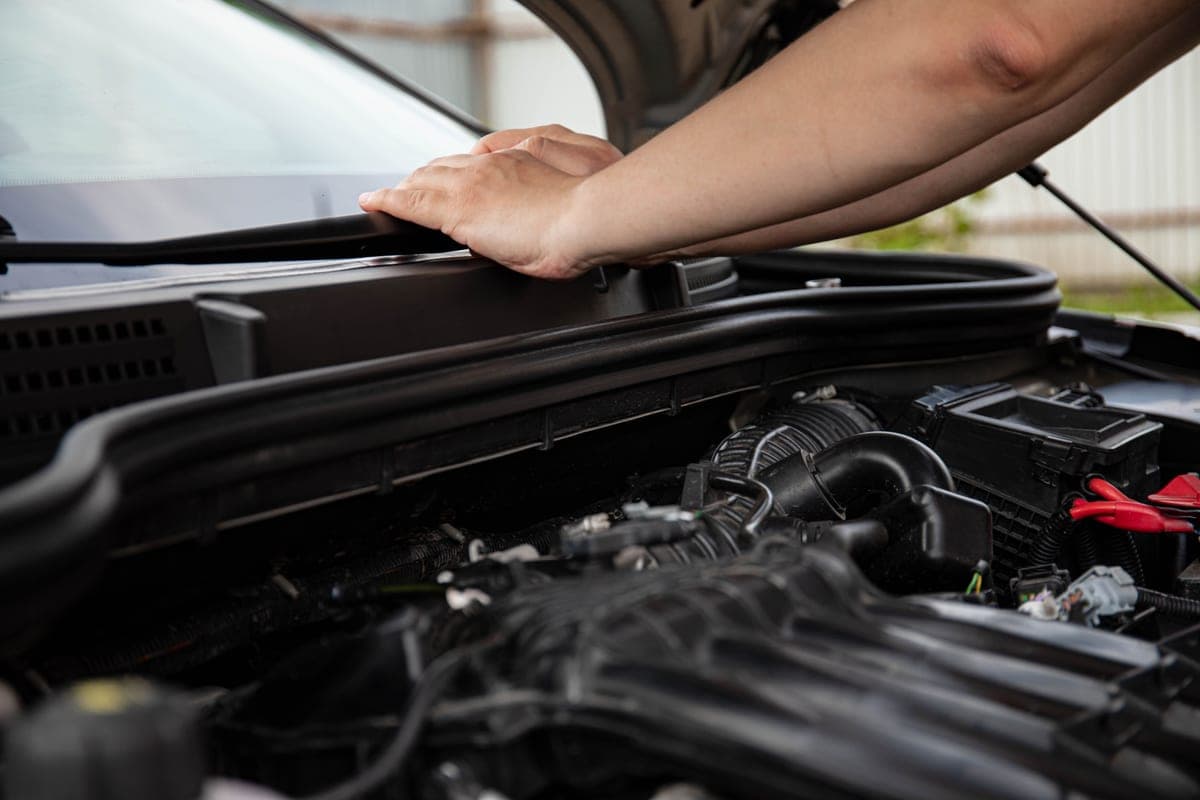
Best work lights for mechanics
Automotive work lights ranked on access, color rendering and mounting rather than output.
Best high-CRI flashlights
High-CRI picks, the output they give up for the phosphor, and why the trade is usually worth making.
Found a number that is wrong? Tell us and we will fix it and say so. Our methodology shows every formula on this page.