Compare
Nitecore vs Olight
Nitecore sells more lumens per dollar. Olight sells a charging system you will enjoy. Neither tells you how long anything runs.
By Scooter M. · Published · Updated
| # | Product | Best for | Output | Price |
|---|---|---|---|---|
| 1 | 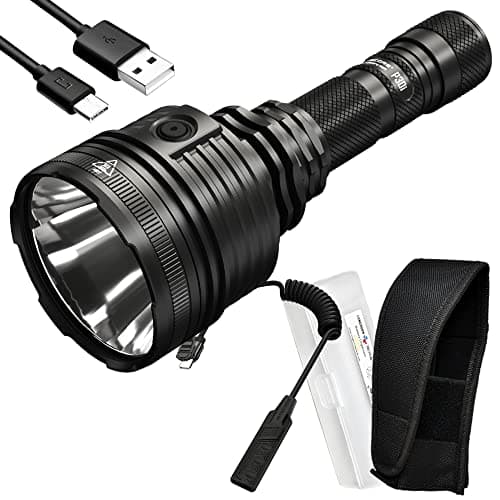 Nitecore P30iTop pick2,000 lumens and 1,000 m of stated throw. The furthest-reaching light on the site, and a genuinely specialized one. | Maximum distance | 2,000 lm | |
| 2 | 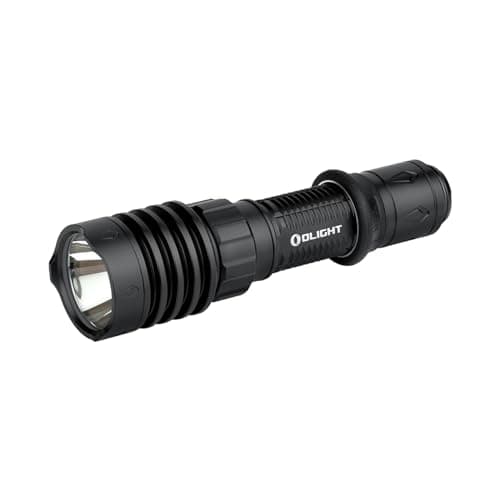 Olight Warrior X 42,600 lumens and 630 m of stated throw. The longest published reach of any general-purpose light here. | Reach in a tactical body | 2,600 lm | Check price#ad |
| 3 | 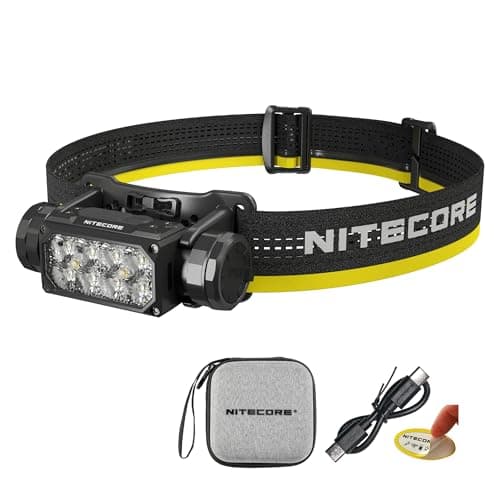 Nitecore HC65 UHE2,000 lumens in a heavy-duty metal body with white, red and reading lights. Built like a work light, worn like a headlamp. | A metal-bodied headlamp that takes abuse | 2,000 lm | |
| 4 | 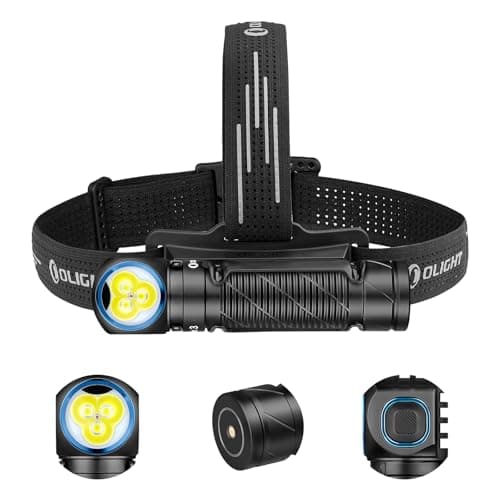 Olight Perun 33,000 lumens, 160 m of stated beam, and a body that comes off the strap and works as a right-angle flashlight. | A headlamp that detaches into a proper flashlight | 3,000 lm | |
| 5 | 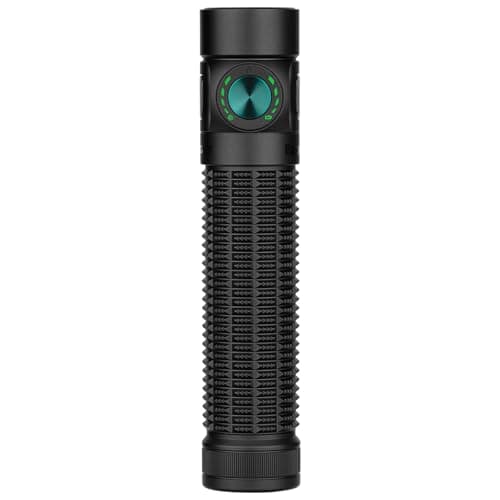 Olight Baton 4 Pro1,600 lumens from something the size of a lipstick tube. The output is real and the runtime at that output is not the point. | The most output in a pocket-sized body | 1,600 lm | |
| 6 | 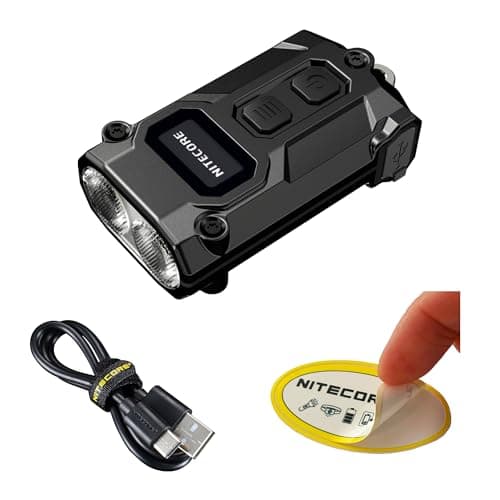 Nitecore TINI 3600 lumens from a keychain light, with multiple color temperatures and USB-C charging. | The brightest thing that fits on a keyring | 600 lm |
We earn a commission if you buy through the links on this page, at no extra cost to you. It does not change what we recommend or the order they appear in. Full disclosure. Prices checked October 16, 2026.
This comparison is unusual on this site because both brands publish so little that the disclosure test barely separates them. That leaves the comparison to be made on the things they each do well, and on a shared weakness worth naming clearly.
What neither publishes
We are stating that up front because it applies equally to both and it is more consequential than anything that separates them.
Output per dollar
| Category | Nitecore | Olight |
|---|---|---|
| Tactical handheld | P20iX, 4,000 lm | Warrior X 4, 2,600 lm / 630 m |
| Thrower | P30i, 2,000 lm / 1,000 m | Warrior X 4, 630 m |
| Headlamp | HC75 UHE, 3,000 lm / 192 m | Perun 3, 3,000 lm / 160 m |
| Keychain | TINI 3, 600 lm | i3T 2 EOS, 200 lm (AAA) |
| Pocket EDC | MT2A Pro, 1,000 lm / 255 m | Baton 4 Pro, 1,600 lm |
Nitecore generally offers a higher published output at a lower price. Olight offers better-executed designs and, in the Warrior X 4, the longest published reach of the two.
Charging and ecosystem
Olight's magnetic charging is the clearest advantage either brand has. No port, no cable to thread, a dock the light sits on. Once you own several Olights the system genuinely improves daily life with them.
Nitecore uses USB-C on most of its range, which means any cable works and there is nothing proprietary to lose. It is less pleasant and more robust to circumstances.
Cell strategy
Nitecore's handhelds generally take standard 18650 and 21700 cells; its headlamps and keychain lights mostly use built-in cells. Olight leans more heavily on sealed and proprietary cells across the range.
For a light you expect to own for a decade, a standard replaceable cell is worth a lot. See 18650 vs 21700 for why the format matters.
Which to buy
- Maximum reach — Nitecore P30i, at a published 1,000 meters.
- Best-executed design — Olight, consistently. The Perun detachable head and the magnetic docks are genuinely better ideas than anything comparable from Nitecore.
- Standard cells — Nitecore's handheld range.
- A keychain light — Nitecore TINI 3 for output, Olight i3T 2 EOS for a AAA cell and a published IPX8 rating.
- Anything where you need to know the runtime — neither. Buy Streamlight or Fenix instead.
The summary
If you want the most light for your money, Nitecore. If you want a light that is a pleasure to own and charge, Olight. If you need to be able to verify what you are buying, this comparison is the wrong page — see Olight vs Streamlight or Nitecore vs Fenix.
The picks, in full
Top pick · Maximum distance
Nitecore P30i
2,000 lumens and 1,000 m of stated throw. The furthest-reaching light on the site, and a genuinely specialized one.
1,000 m implies 250,000 candela. That is seven times the ProTac HL-X's intensity from 1.5 times the lumens, and it is only achievable with a large, deep reflector.
A beam this tight is close to useless for anything within ten meters. It is a search-and-identify tool for open country.
21700 is the right cell for it — a beam this intense needs current, and an 18650 would sag.
What works
- 1,000 m of published throw
- 21700 cell with USB-C
- The specialist tool the category actually needs, rather than another 3,000-lumen flood
What does not
- No sourced runtime, candela or IP rating
- The head diameter that buys the throw makes it awkward to carry
- Almost no usable spill
Skip this ifyou want one light for everything. This one does distance and does nothing else well.
Published specification
- Peak intensity
- not published
- Beam distance
- 1,000 mListed as a 1,093-yard beam; converted to metersNitecore P30i — the brand's own listing on Amazon.com (retrieved September 1, 2026)
- Runtime
- not published
- Battery
- 21700, USB-C rechargeableNitecore P30i — the brand's own listing on Amazon.com (retrieved September 1, 2026)
- Weight
- not published
- Ingress
- not published
#ad · how this is funded · price as of October 16, 2026
Pick 2 · Reach in a tactical body
Olight Warrior X 4
2,600 lumens and 630 m of stated throw. The longest published reach of any general-purpose light here.
630 m works back to about 99,200 candela. That is a genuine thrower: nearly three times the ProTac HL-X's intensity from twice the lumens, which means a much tighter hotspot.
The trade is spill. At that concentration you get a bright circle and very little else, which is superb across a field and awkward in a corridor.
No published runtime is a real gap on a light this bright. Sustained output is the question a 2,600-lumen thrower most needs to answer.
What works
- 630 m of published throw, the longest in the general-purpose set
- Magnetic charging with no port to flood
- 2,600 lumens alongside the reach, so it is not a narrow-beam-only light
What does not
- No sourced runtime, candela, weight or IP rating
- Very tight hotspot with limited spill
- Proprietary charger
Skip this ifyou work indoors. The beam is built for distance and it is the wrong tool inside a building.
Published specification
- Output
- 2,600 lmOlight Warrior X 4 — the brand's own listing on Amazon.com (retrieved September 1, 2026)
- Peak intensity
- not published
- Beam distance
- 630 mOlight Warrior X 4 — the brand's own listing on Amazon.com (retrieved September 1, 2026)
- Runtime
- not published
- Battery
- Rechargeable, magnetic chargingOlight Warrior X 4 — the brand's own listing on Amazon.com (retrieved September 1, 2026)
- Weight
- not published
- Ingress
- not published
#ad · how this is funded · price as of October 16, 2026
Pick 3 · A metal-bodied headlamp that takes abuse
Nitecore HC65 UHE
2,000 lumens in a heavy-duty metal body with white, red and reading lights. Built like a work light, worn like a headlamp.
A metal body is the reason to buy this rather than the NU43. Plastic headlamps survive drops; metal ones survive being stepped on in a truck bed.
Three emitters — white, red and a dedicated reading light — is more useful than it sounds. The reading light is a low, wide, close-range flood, which is the mode people actually leave on.
As with the rest of the Nitecore range, we could only reach the brand's retail listing, so the spec table stops at the two figures it states.
What works
- Metal construction in a category dominated by polymer
- White, red and reading emitters
- 2,000-lumen headline for a mid-range price
What does not
- Heavier than any polymer lamp here, though we cannot give you the number
- No sourced runtime or beam distance
- Metal conducts heat, so turbo will get warm against your forehead
Skip this ifyou want it for running. The mass that makes it durable is the mass that makes it bounce.
Published specification
- Output
- 2,000 lmMaximumNitecore HC65 UHE — the brand's own listing on Amazon.com (retrieved September 1, 2026)
- Peak intensity
- not published
- Beam distance
- not published
- Runtime
- not published
- Battery
- USB-C rechargeableNitecore HC65 UHE — the brand's own listing on Amazon.com (retrieved September 1, 2026)
- Weight
- not published(Metal body; no figure in the listing we read)
- Ingress
- not published
#ad · how this is funded · price as of October 16, 2026
Pick 4 · A headlamp that detaches into a proper flashlight
Olight Perun 3
3,000 lumens, 160 m of stated beam, and a body that comes off the strap and works as a right-angle flashlight.
3,000 lumens at 160 m tells you this is a flood-biased beam. For comparison, a Petzl Swift RL reaches 168 m on 1,200 lumens — more distance from 40 percent of the output, because distance comes from intensity, not from lumens.
The two-in-one design is the real selling point. A right-angle light that clips to a pocket and also mounts on a strap replaces two tools.
Marketing copy calling it waterproof without an IP number is exactly the kind of claim we will not repeat as a specification.
What works
- Detaches into a genuinely useful right-angle flashlight
- Magnetic charging, which is quick and has no port to flood
- Published beam distance, which many competitors omit
What does not
- No sourced runtime, weight, or IP rating
- 3,000 lumens on 160 m of reach is a wide beam sold on a big number
- Proprietary magnetic charger to lose
Skip this ifyou want distance. The published figures say flood; a 1,200-lumen Petzl reaches further.
Published specification
- Peak intensity
- not published
- Beam distance
- 160 mOlight Perun 3 — the brand's own listing on Amazon.com (retrieved September 1, 2026)
- Runtime
- not published
- Battery
- Rechargeable, magnetic chargingOlight Perun 3 — the brand's own listing on Amazon.com (retrieved September 1, 2026)
- Weight
- not published
- Ingress
- not published(Marketed as waterproof; no rating stated in the listing)
#ad · how this is funded · price as of October 16, 2026
Pick 5 · The most output in a pocket-sized body
Olight Baton 4 Pro
1,600 lumens from something the size of a lipstick tube. The output is real and the runtime at that output is not the point.
1,600 lumens in a body this small is a thermal problem, not an optical one. Every light in this class steps down within a minute or two, and the honest way to read the number is as a burst.
Olight's magnetic charging is the best-executed version of the idea: no port to flood, no cable to thread, and the light sits on a dock.
We could only reach the brand's retail listing, so output and charging are the only figures we assert.
What works
- The highest published output in the pocket class
- Magnetic charging with no exposed port
- Genuinely small
What does not
- No sourced runtime, candela, beam distance or IP rating
- Proprietary charger to lose
- 1,600 lumens is a burst figure in a body this size
Skip this ifyou want to know how long it holds high. Without a published step-down table, the headline is unverifiable.
Published specification
- Output
- 1,600 lmOlight Baton 4 Pro — the brand's own listing on Amazon.com (retrieved September 1, 2026)
- Peak intensity
- not published
- Beam distance
- not published
- Runtime
- not published
- Battery
- Rechargeable, magnetic chargingOlight Baton 4 Pro — the brand's own listing on Amazon.com (retrieved September 1, 2026)
- Weight
- not published
- Ingress
- not published
#ad · how this is funded · price as of October 16, 2026
Pick 6 · The brightest thing that fits on a keyring
Nitecore TINI 3
600 lumens from a keychain light, with multiple color temperatures and USB-C charging.
600 lumens on a keychain is a two-minute burst and a warm body. Read it as a look-over-there setting, not a work level.
Multiple color temperatures in a light this small is the genuinely interesting part: a warm channel makes a keychain light usable for reading a label rather than just for finding a lock.
Built-in cell means a finite service life, which on a light you carry every day is a real consideration.
What works
- 600 lumens is the highest keychain figure here
- USB-C rather than micro-USB
- Multiple color temperatures
What does not
- No sourced runtime, candela, weight or IP rating
- Built-in cell will eventually end the light
- Turbo on a body this small is a burst
Skip this ifyou want it to last a decade. A sealed cell on a daily-carry light is a wear item.
Published specification
- Peak intensity
- not published
- Beam distance
- not published
- Runtime
- not published
- Battery
- Built-in Li-ion, USB-CNitecore TINI 3 — the brand's own listing on Amazon.com (retrieved September 1, 2026)
- Weight
- not published
- Ingress
- not published
- CRI
- not published(Multiple color temperatures offered; no CRI figure stated)
#ad · how this is funded · price as of October 16, 2026
Questions people actually ask
Is Nitecore or Olight better?
Nitecore generally gives more published output per dollar; Olight has better-executed designs and magnetic charging. Neither publishes battery capacity, per-mode runtime, weight or an ingress rating for the lights we cover, so neither can be verified.
Which has better battery life, Nitecore or Olight?
Unknown, for both. Neither publishes a battery capacity or a per-mode runtime on the products we cover, so nobody outside those companies can answer the question. If runtime matters to you, buy Fenix or Streamlight instead.
Is Olight's magnetic charging better than USB-C?
Mechanically yes — no port to fill with grit and nothing to wear out. The cost is a proprietary cable that becomes a single point of failure away from home. Nitecore's USB-C means any cable works.
Which brand uses replaceable batteries?
Nitecore's handhelds generally take standard 18650 and 21700 cells; its headlamps and keychain lights mostly use built-in cells. Olight leans more heavily on sealed and proprietary cells across the range.
Which one throws further?
Nitecore, in our set: the P30i publishes 1,000 meters, roughly 250,000 candela. The Olight Warrior X 4's 630 meters works back to about 99,200.
Sources
Every figure on this page came from one of the documents below, read on the date shown. We do not cite other review sites, forum posts or video reviews as sources of fact.
Read next
Nitecore vs Streamlight
Nitecore against Streamlight: a 40-fold spread in beam concentration inside one brand, measured against the most complete spec sheets we cover.
Flashlight brand comparisons
Brand-against-brand comparisons on published figures and disclosure quality, not on reputation.
Nitecore vs Fenix
Nitecore against Fenix: output per dollar against specification completeness, across headlamps and handhelds.
Olight vs Streamlight
Olight against Streamlight: consumer design and charging against duty-grade documentation.
18650 vs 21700, and every other cell format
Cell formats compared on capacity, current rating and dimensions, with the safety rules that matter.

Best EDC flashlights, ranked on what they actually hold
The full EDC ranking: cell format, stored energy, color rendering and beam shape, every figure sourced.
Found a number that is wrong? Tell us and we will fix it and say so. Our methodology shows every formula on this page.